
Adding a second battery — Tesla finally makes it possible
Show 0 more photos Show 2 more photos Hide additional photos
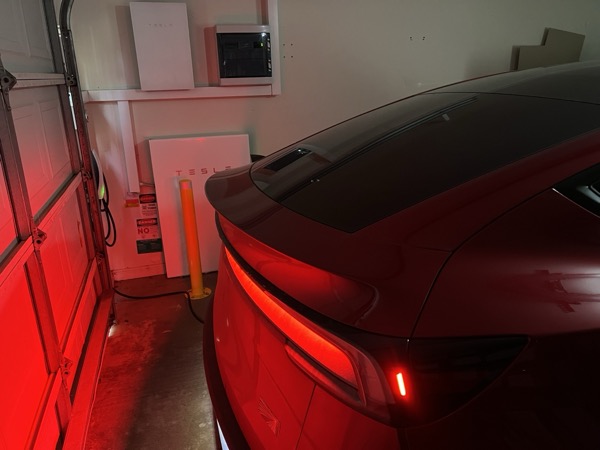
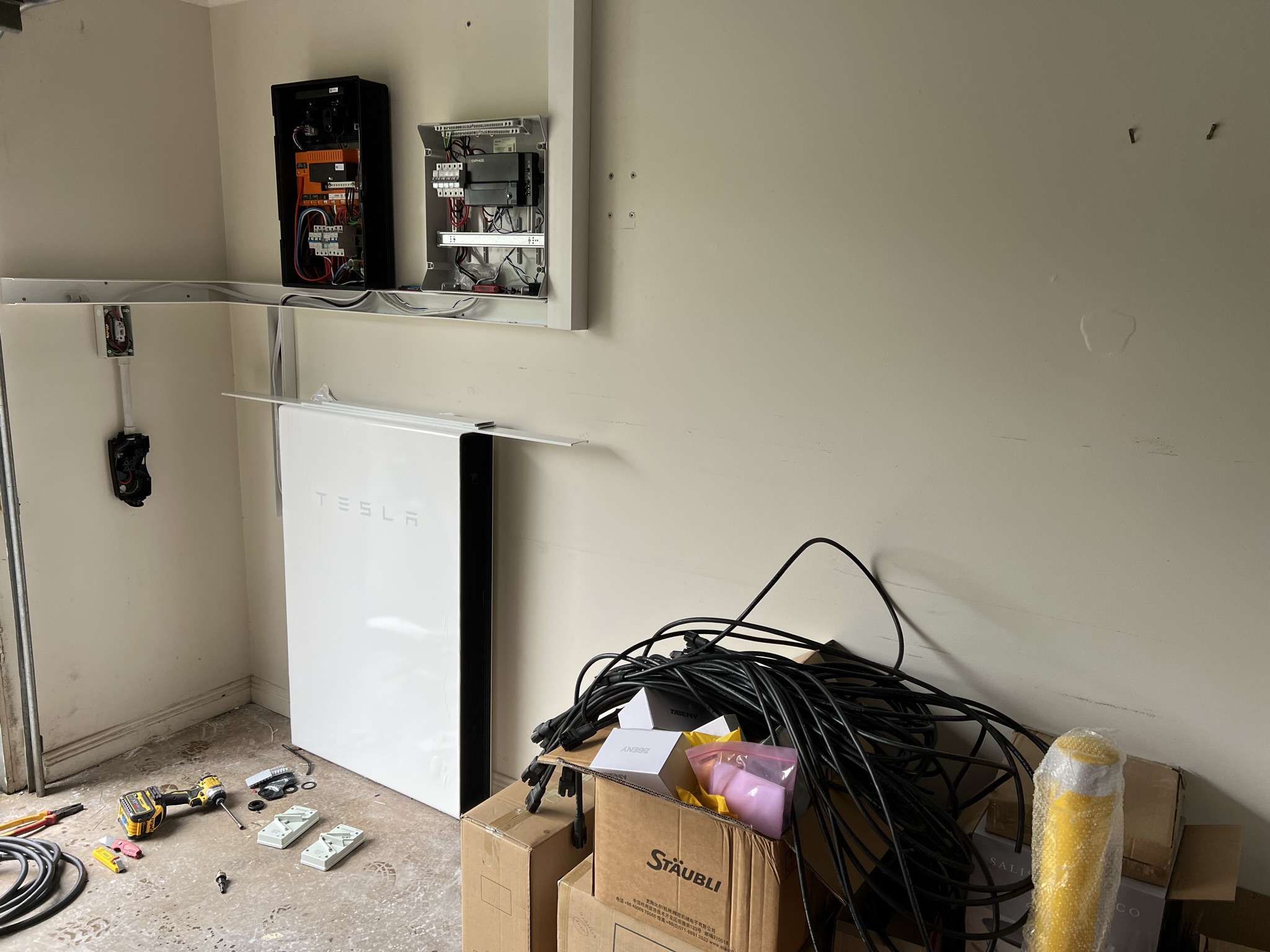
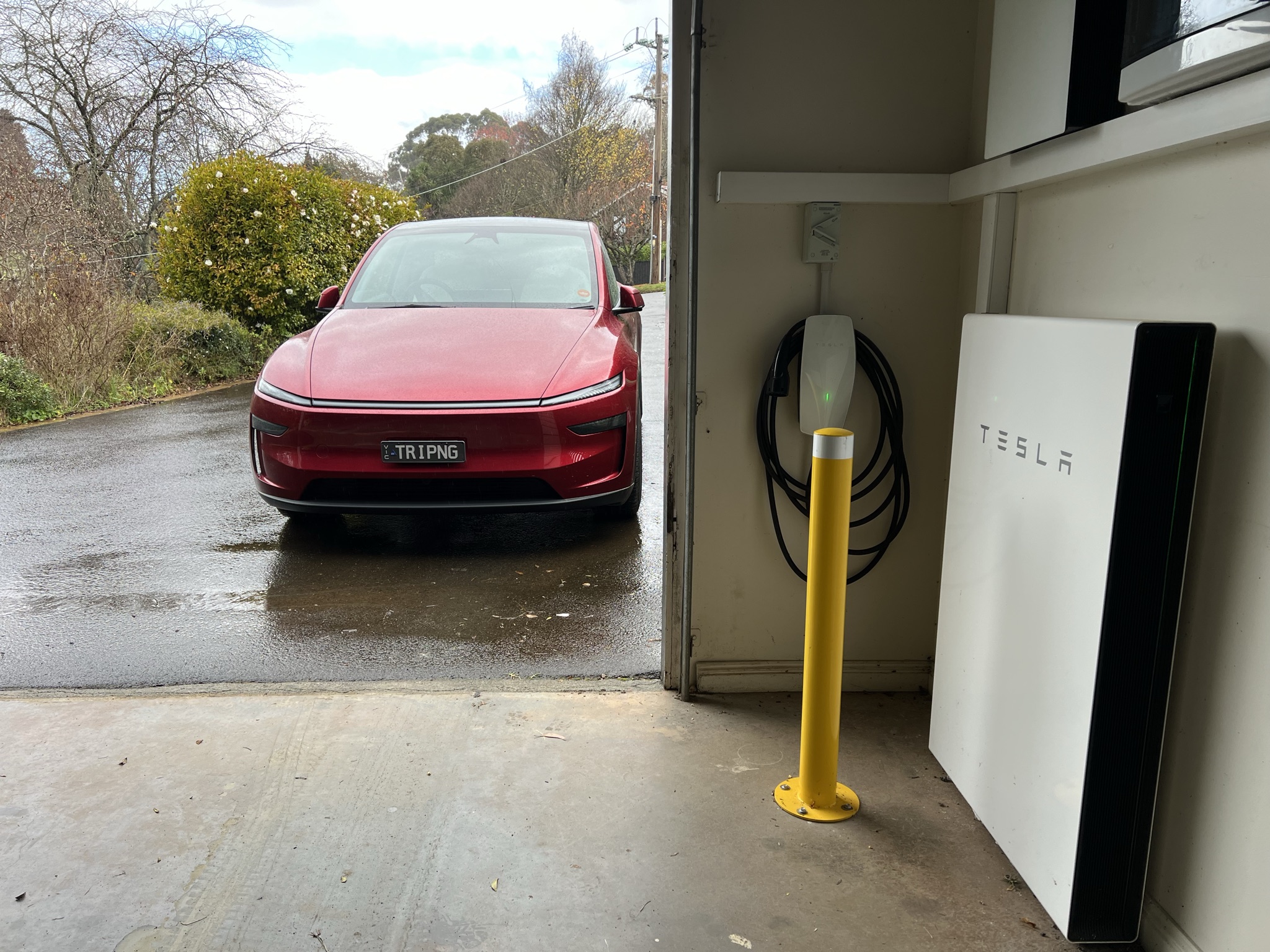
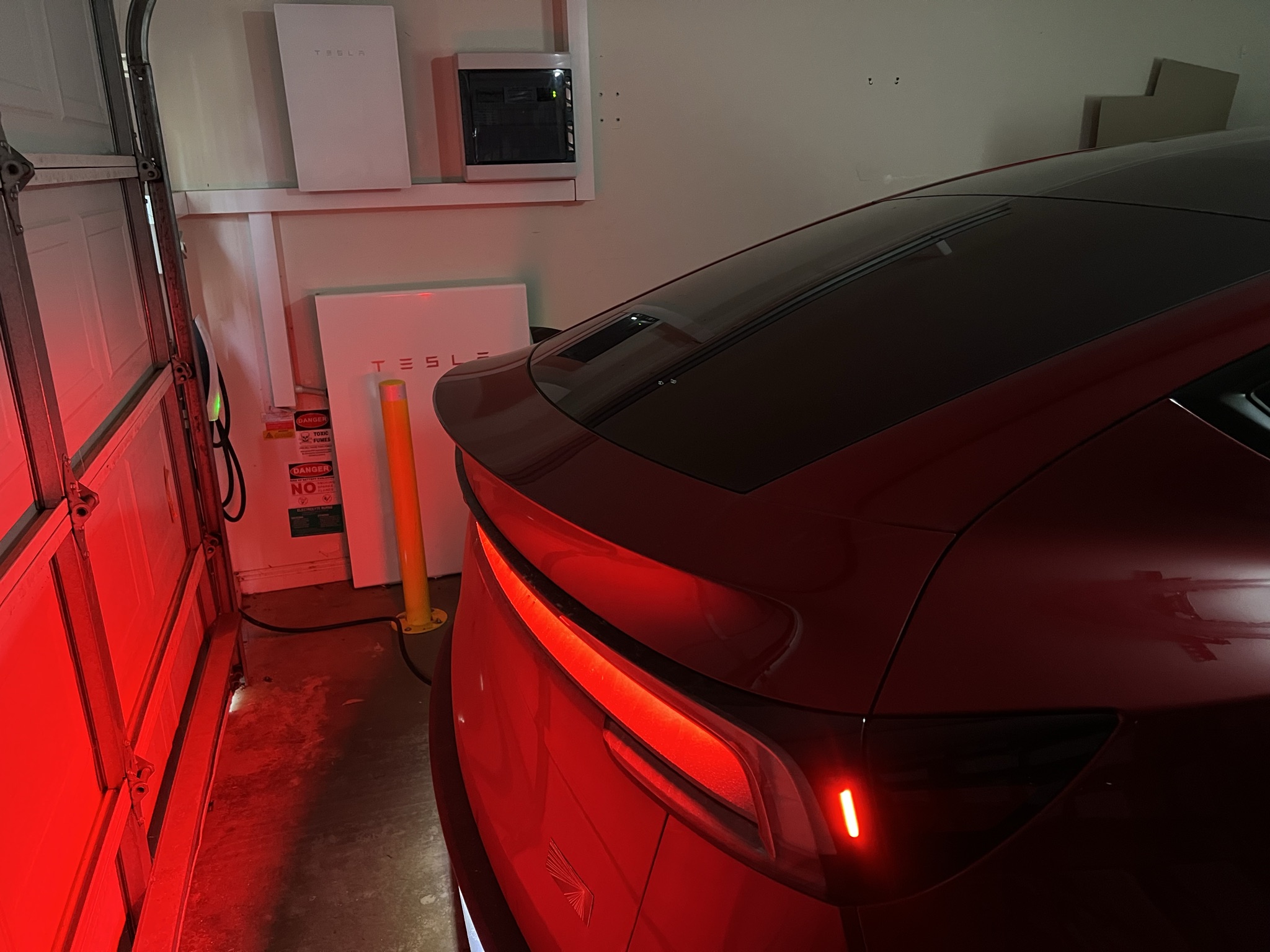
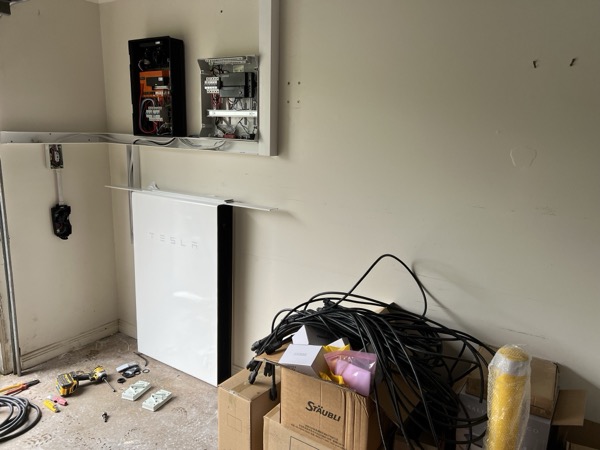
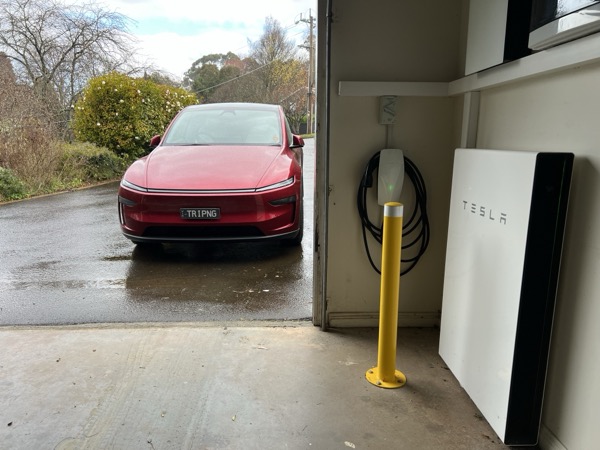
When Lightning Energy installed our Powerwall 2 back in December 2023 it was great. Paired with our 13 kW Enphase/Jinko solar system and 10 kW inverter, it's been handling our fully electrified home in Emerald pretty well — five reverse-cycle ACs, heat pump hot water, EV charging, and grid outages lasting up to nine days. But as we've added more loads, I've been thinking about expanding battery storage.
There was a problem, though.
The Powerwall 2 is no longer CEC-approved for new installations in Australia. Tesla stopped taking orders for it in late 2024/early 2025, and as of January 2026 it's no longer on the Clean Energy Council approved list. So you can't add a second one. And until very recently, the Powerwall 3 — Tesla's current model — was completely incompatible with the Powerwall 2. They couldn't talk to each other.
That meant anyone with a Powerwall 2 who wanted more storage faced a painful choice: rip out the existing battery and start fresh with new hardware. For me, that would mean writing off a ~$12,000 asset. Used Powerwall 2 units are reportedly selling for as little as $800 on the secondhand market — so "selling it" wasn't really an option either.
Then Tesla announced something that changes everything.
Earlier this month (4 March 2026), Tesla updated their official support pages to confirm that a software update is coming that will enable "Backwards Compatibility" — Powerwall 3 will be able to operate alongside Powerwall 2. Owners with an existing Powerwall 2 can add a Powerwall 3 to expand storage without replacing their current setup. Australia and New Zealand are first in line globally to receive this.
The firmware rollout is expected around May–June 2026.
This is welcome news — but I'll be blunt: Tesla should have announced this upgrade path much sooner. Plenty of Powerwall 2 owners have already ripped out perfectly good batteries because there was no stated path forward. And the timing of this announcement, coming just weeks before major government rebate deadlines, makes it very difficult for existing owners to act in time. Tesla needs to be more transparent with customers about the roadmap for their products.
So what does this mean for me?
My potential plan is to add 1× Powerwall 3 + 1× Powerwall 3 Expansion pack. The Expansion is essentially a battery-only unit with no inverter — cheaper than a full Powerwall 3, and you don't need the redundant electronics. That gives me:
PW2: 13.5 kWh storage, 5 kW output
PW3: 13.5 kWh storage, 10 kW output
Expansion: 13.5 kWh storage, no additional output
Total: 40.5 kWh storage, 15 kW sustained output
15 kW is enough, during an extended grid outage, to run everything in our house simultaneously — all the ACs, the heat pump, the EV charger, and our soon-to-be-installed induction cooktop.
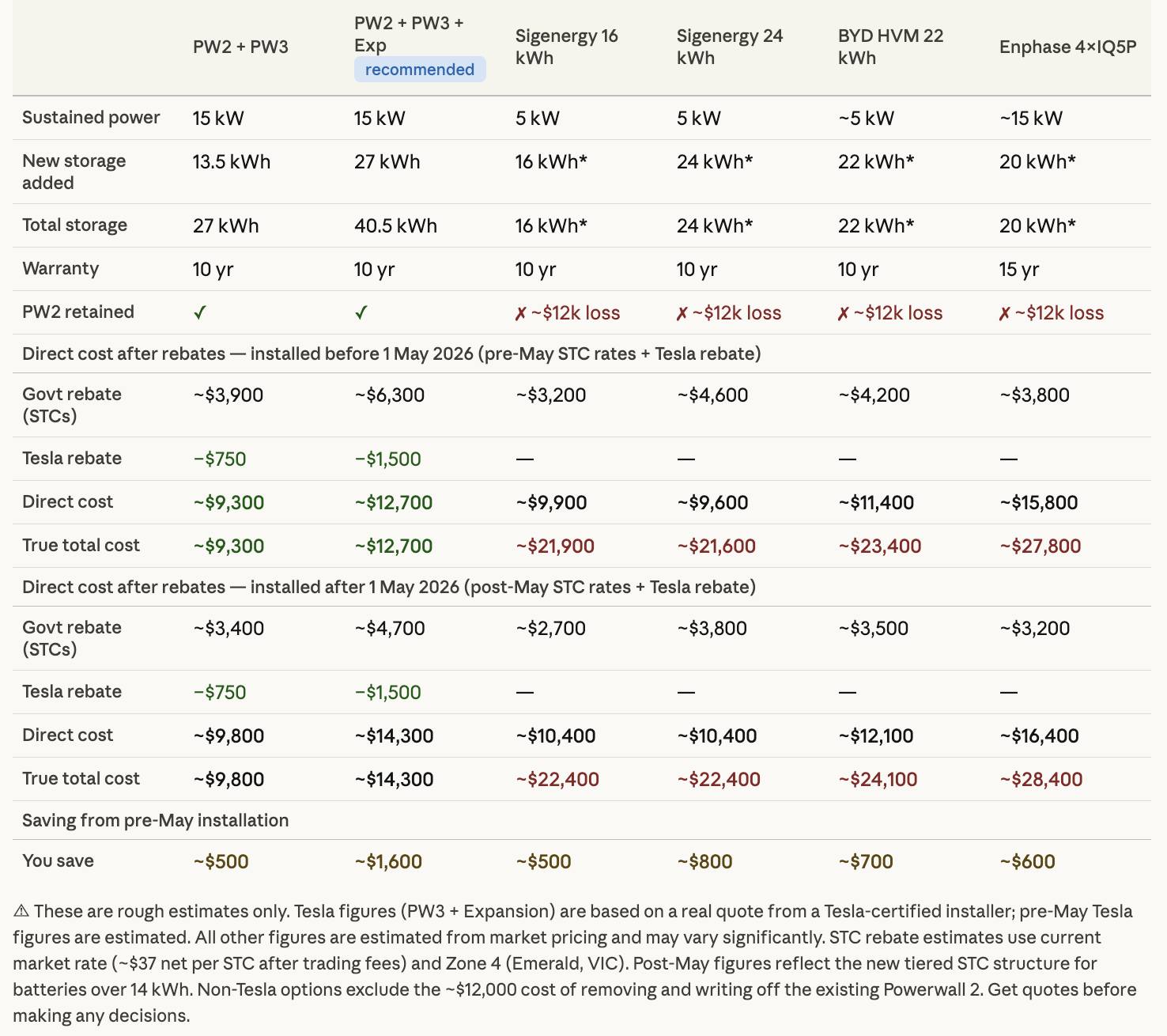
I did look at alternatives. The table picture shows the full comparison. The short version: because I already have a Powerwall 2, switching to any other brand means writing it off as a ~$12,000 stranded asset. Once you factor that in, the Tesla path is roughly half the true cost of the nearest competitor.
The rebates — and why the timing is a real problem
There are two incentives stacking here:
Tesla's "Next Million Powerwalls" rebate: $750 per unit, up to $1,500 for two units. Order AND register via Tesla's portal by 31 March 2026 — that's 11 days from now. Installation can happen anytime up to 30 September 2026.
Federal government Cheaper Home Batteries rebate (STCs): This changes significantly on 1 May 2026. The new tiered STC structure penalises systems above 14 kWh, which means a PW3 + Expansion would attract a meaningfully lower rebate after May compared to before. Getting installed before 30 April locks in the better rate — and the difference is worth chasing.
My usual battery installer has told me they're unlikely to have the capacity to complete the install before 1 May. So i have been looking for a Tesla-certified installer in the Dandenong Ranges / Emerald area who could get it done in time.
Sapphire Solar can squeeze me in, just before the deadline. I’ll report back on how it goes.
One thing still to resolve: Tesla says the PW2/PW3 compatibility requires a firmware update that hasn't dropped yet (expected May–June). Until it does, both units share the same Gateway, so I'm seeking clarity from Tesla on exactly how the system behaves in the interim.
Related Posts
- Our original Powerwall install: Tesla battery and wall charger installation 19 Dec 2023
- Series index — solar, battery, electrification: Solar, battery and electrification — series intro 4 Dec 2025
- How the battery saga turned out The Powerwall fix I can't explain 14 May 2026
Links
- Tesla's official Powerwall backwards-compatibility support page: Tesla support: Powerwall backwards compatibility
Report
Report
Report
Report
Report
Tesla's software updates for cars are mostly backwards compatible. It is amazing to still be getting new features for our car, years after purchase.
Report
Report
Report
Report
Report
Report
Report
Mode Solar in Tassie is installing a PW3/Inverter/Gateway to my PW2 system they installed back in May 2019. I signed the papers, paid deposit and the Tesla rebate is locked in.
Report
Import between 11am and 2pm for free, including car charging and don't import between 6pm and 8pm and claim a $1. This will go along way to getting a $0 bill
Report
Report
Report