
Lithium ion, or lithium iron?
Show 0 more photos Show 2 more photos Hide additional photos
Someone asked me recently: "what's the difference?" Here's a simple explanation.
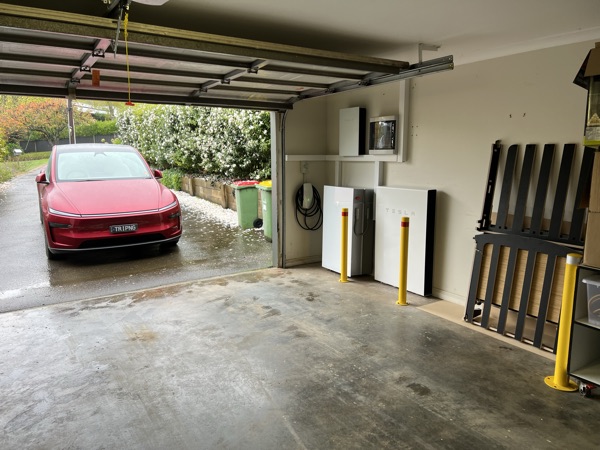
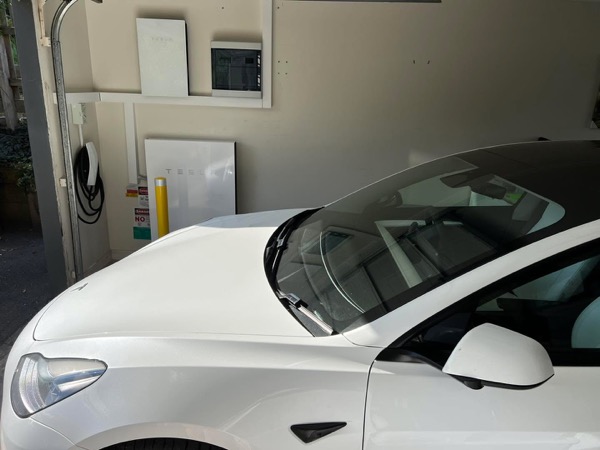
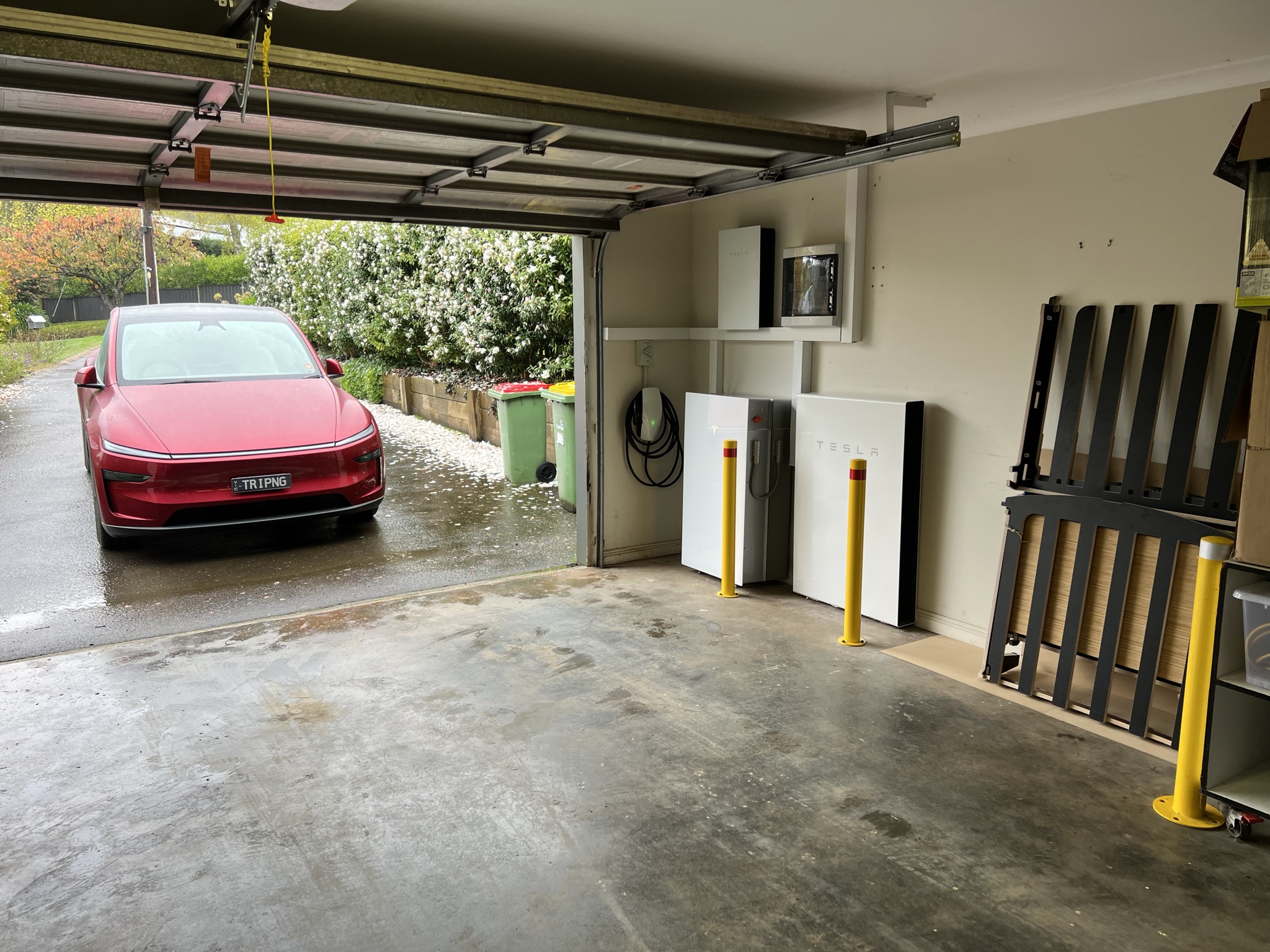
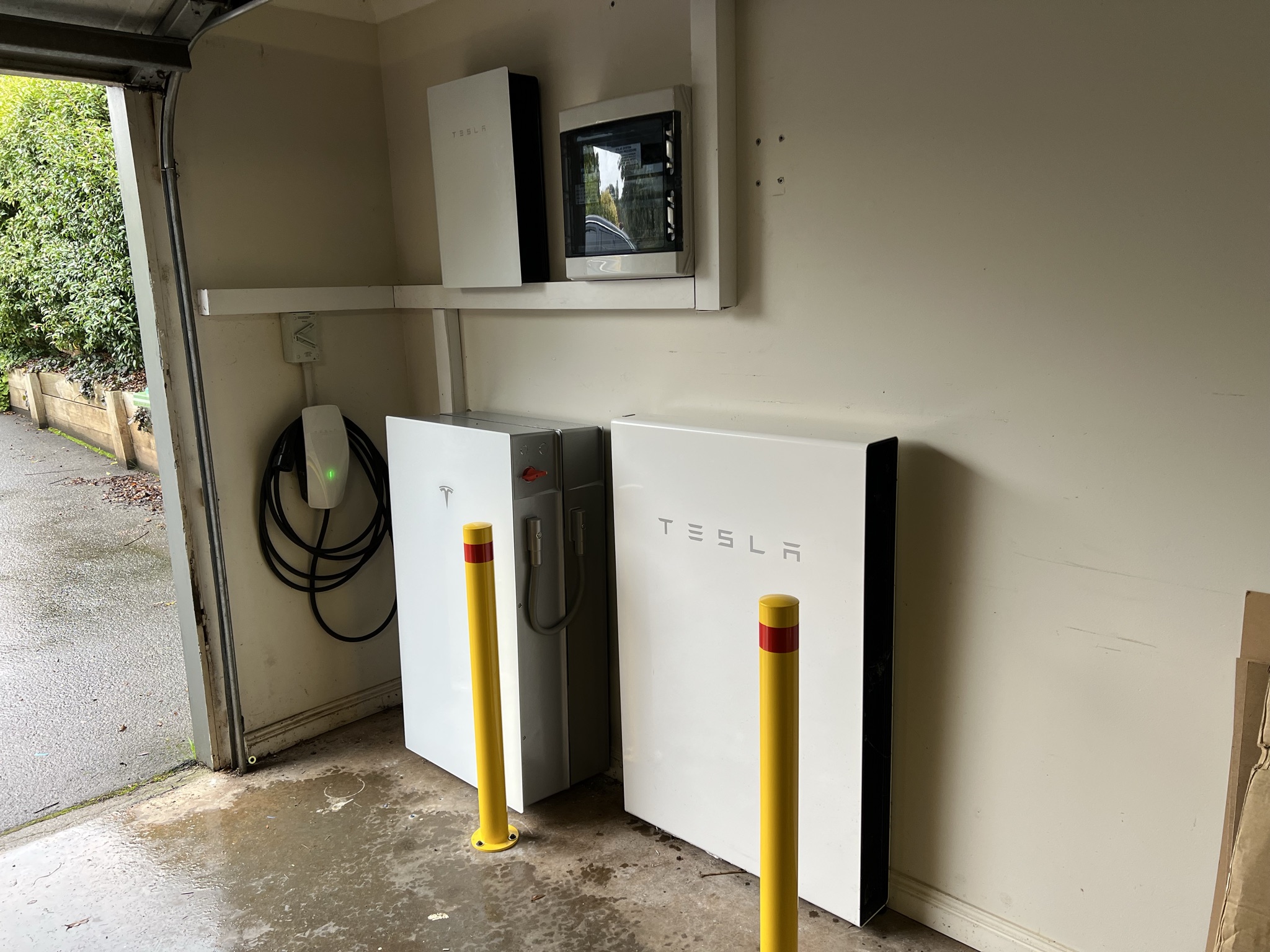
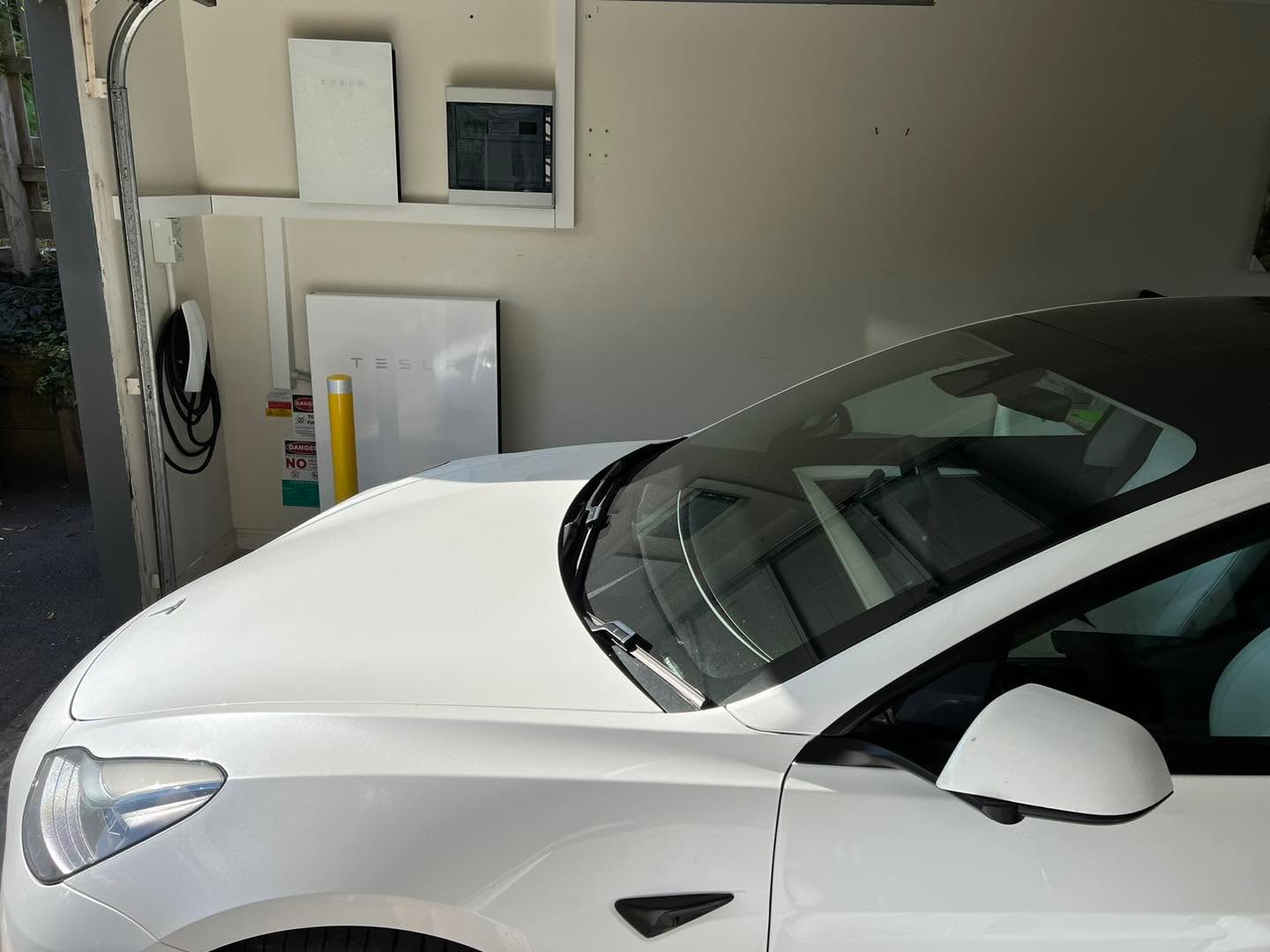
Every battery in our driveway and garage is lithium ion. Most are also lithium iron.
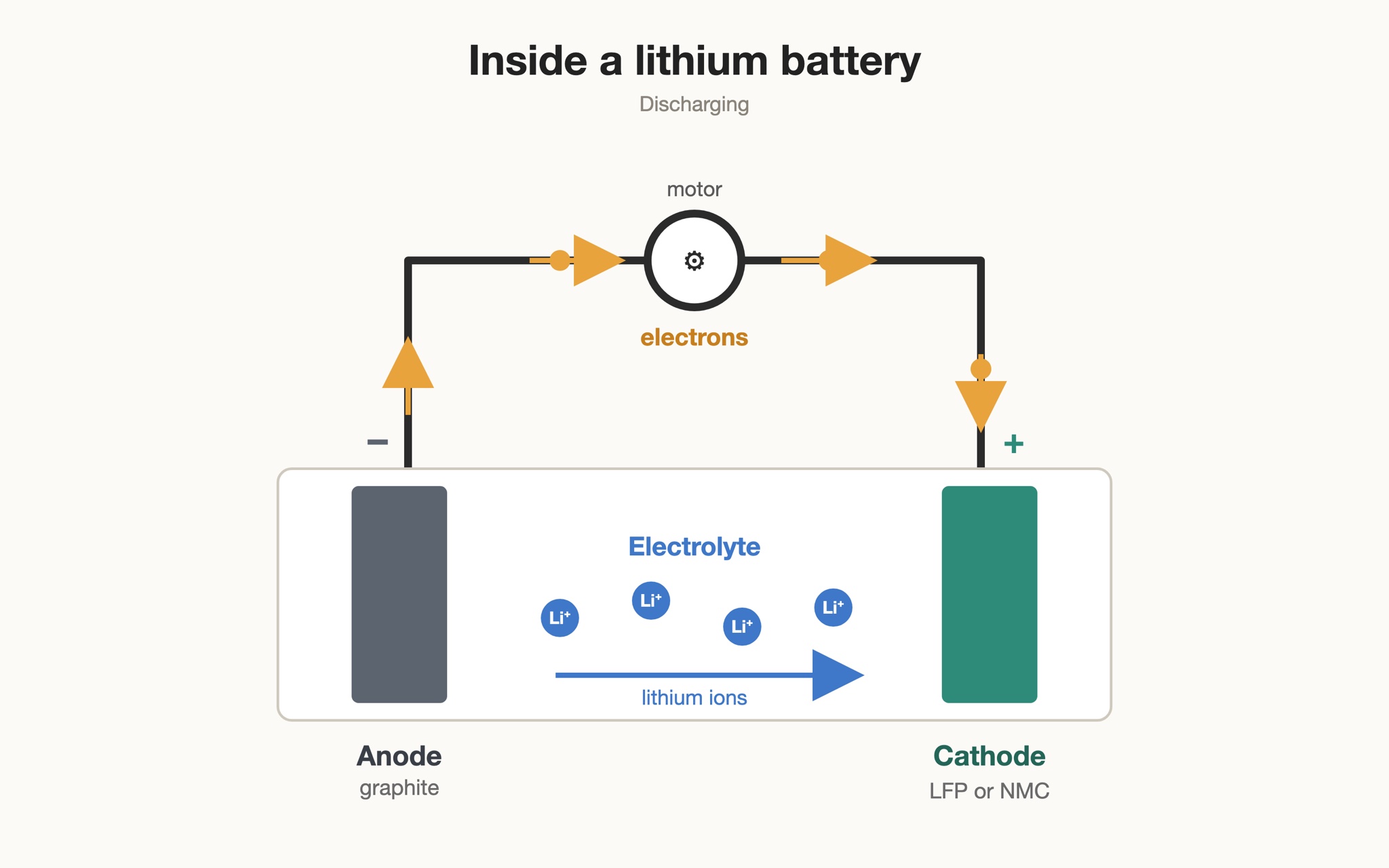
Let's start with "ion". An ion is just an atom that's missing an electron, so it's left with a positive charge.
Inside a battery cell are two plates, the anode and cathode, separated by the electrolyte liquid. At the anode, the battery pulls the electron(s) off the lithium atom, leaving a positively charged ion behind. The electron takes the long way round — out through a wire, where we put it to work spinning a motor or boiling the kettle. That stream of electrons through the wire is the current. The ion, meanwhile, moves from the anode through the electrolyte to the cathode, where it recombines with the electron.
The plates are where a battery gets its name:
- The anode is almost always graphite — plain carbon.
- The cathode is the part that varies. In an LFP battery it's iron phosphate (Li-Fe-PO). In an NMC battery it's nickel, manganese and cobalt (Ni-Mn-Co).
LFP wins on safety, lifespan and supply chain ethics — more charge cycles, no cobalt, and you can happily charge it to 100% every day.
NMC wins on energy density — lighter for the same range — and it charges faster, especially in the cold.
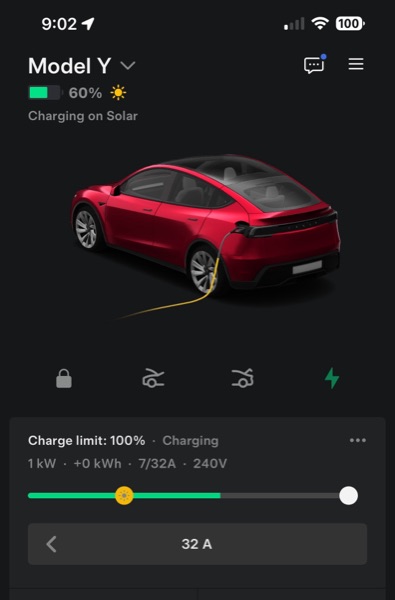
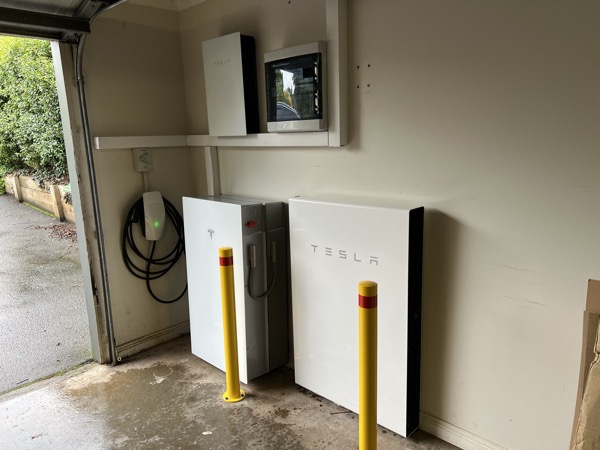
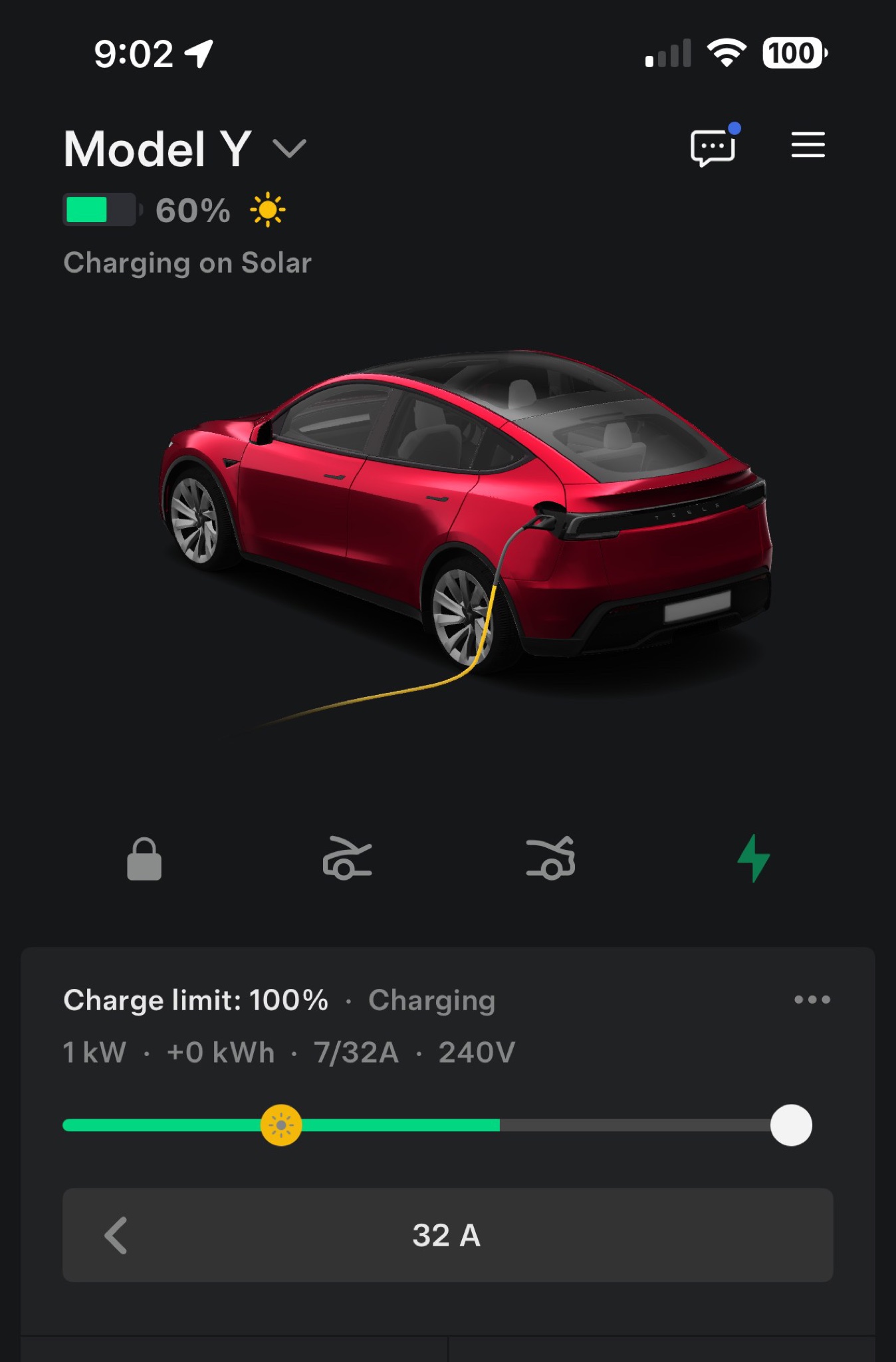
Our standard-range Model Y uses LFP, while the Long Range cars tend to use NMC. It's the same story on the wall: our newer Powerwall 3 batteries are LFP, our older Powerwall 2 is nickel-based. We've got both chemistries living under one roof.
Related Posts
- Companion explainer — what the kW and kWh figures mean: What do the kW and kWh measurements mean? 6 Dec 2025
- Series index — solar, battery and electrification: Solar, battery and electrification — series intro 4 Dec 2025
- When the LFP Powerwall 3 went on the wall: Two new Powerwall batteries, installed by lunchtime 13 Apr 2026
Heavier - performance loss
Bigger - capacity loss
Lower charge curve - everything slower everywhere charging.
Lower discharge curve
Less performance everywhere.
Check out 2019 SR+ NMC Panasonic 52kWh pack
- will actually run 5.4seconds
To 100 just coming out of a supercharger with a hot pack.
Rocket ship quick anyway at 5.6seconds to 100 stock but can be tuned up and make 4.7seconds to 100 (4.6 to 60mph)
https://youtu.be/aB0mn74tbuY?si=zrCKZvwK0hBNSYsy)
I bought one for my sister a few weeks back for $21k
Report
Report
Report