Solar-panel install day, with Lightning Energy
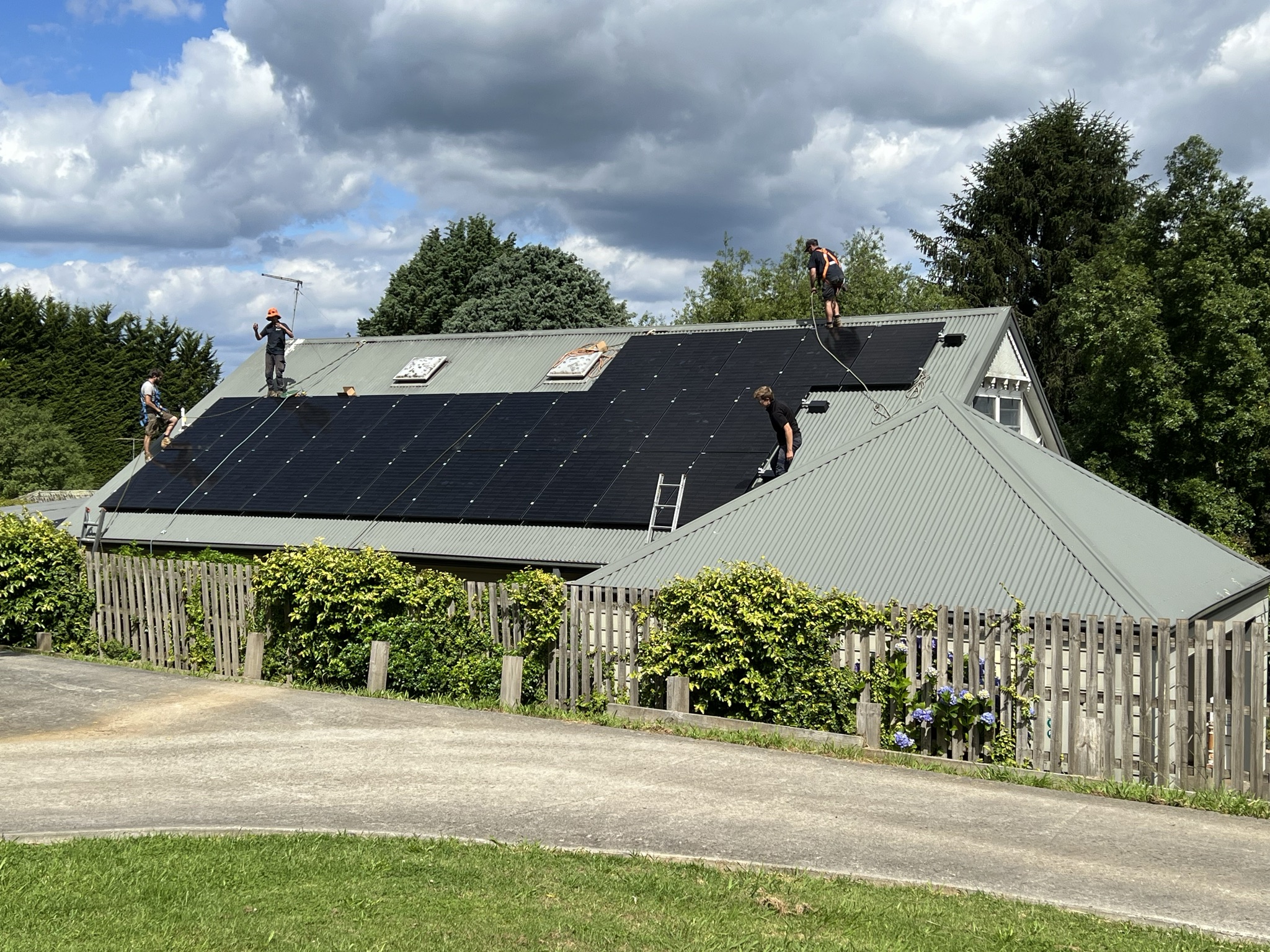
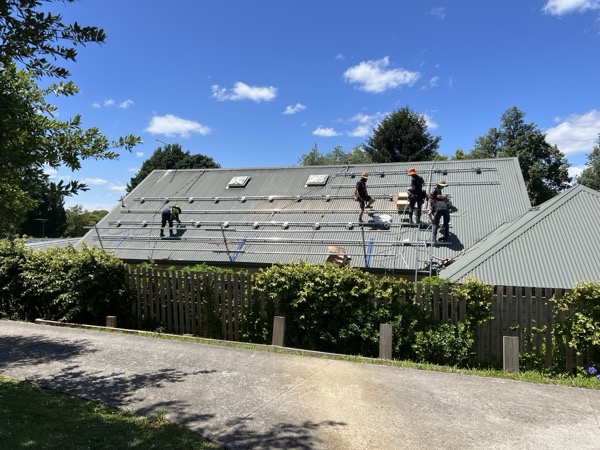
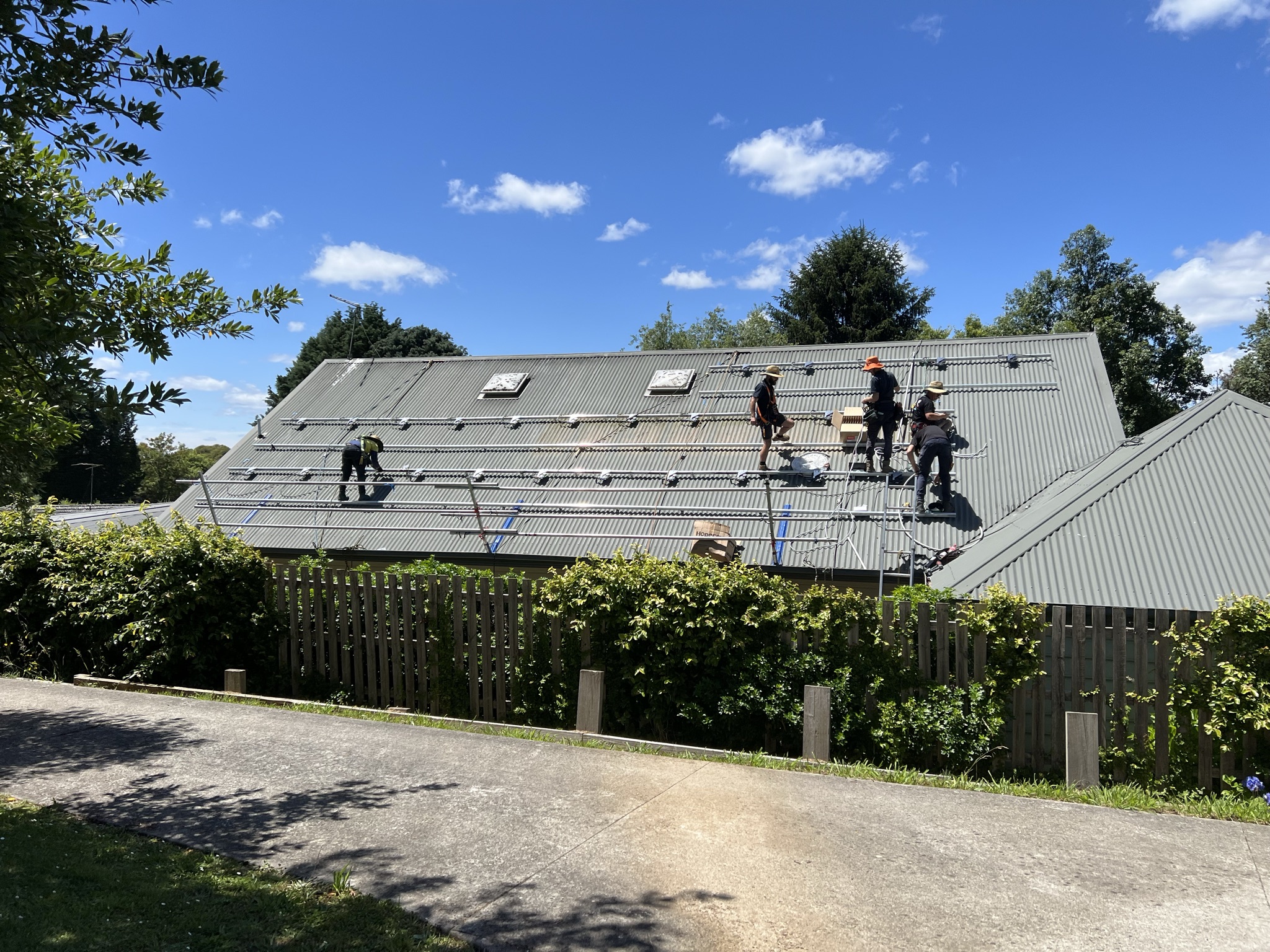
Hooray! The sun is shining today. So, the installers were able to climb up on our roof to install our new solar panel array. These people mix electrical engineering and solar engineering with mountaineering!

The team at Lightning Energy has been great. Thanks to Andrew for providing a detailed quote and updating it along the way to match my requests and questions. Thanks to the installation team for their professionalism and attention to detail. They were also kind enough to lend me some muscle here and there to help move a couple of things into the house from the garage. Special thanks to Caitlin for staying behind and coming back later to sort out a technical hitch with the power output being unnecessarily capped. We had a funny chat on the Enphase Energy tech support line with a self described “dumb blonde from Ohio” who flicked some magic software switches to make it all work. Not so dumb after all 😉.

Geeky details:

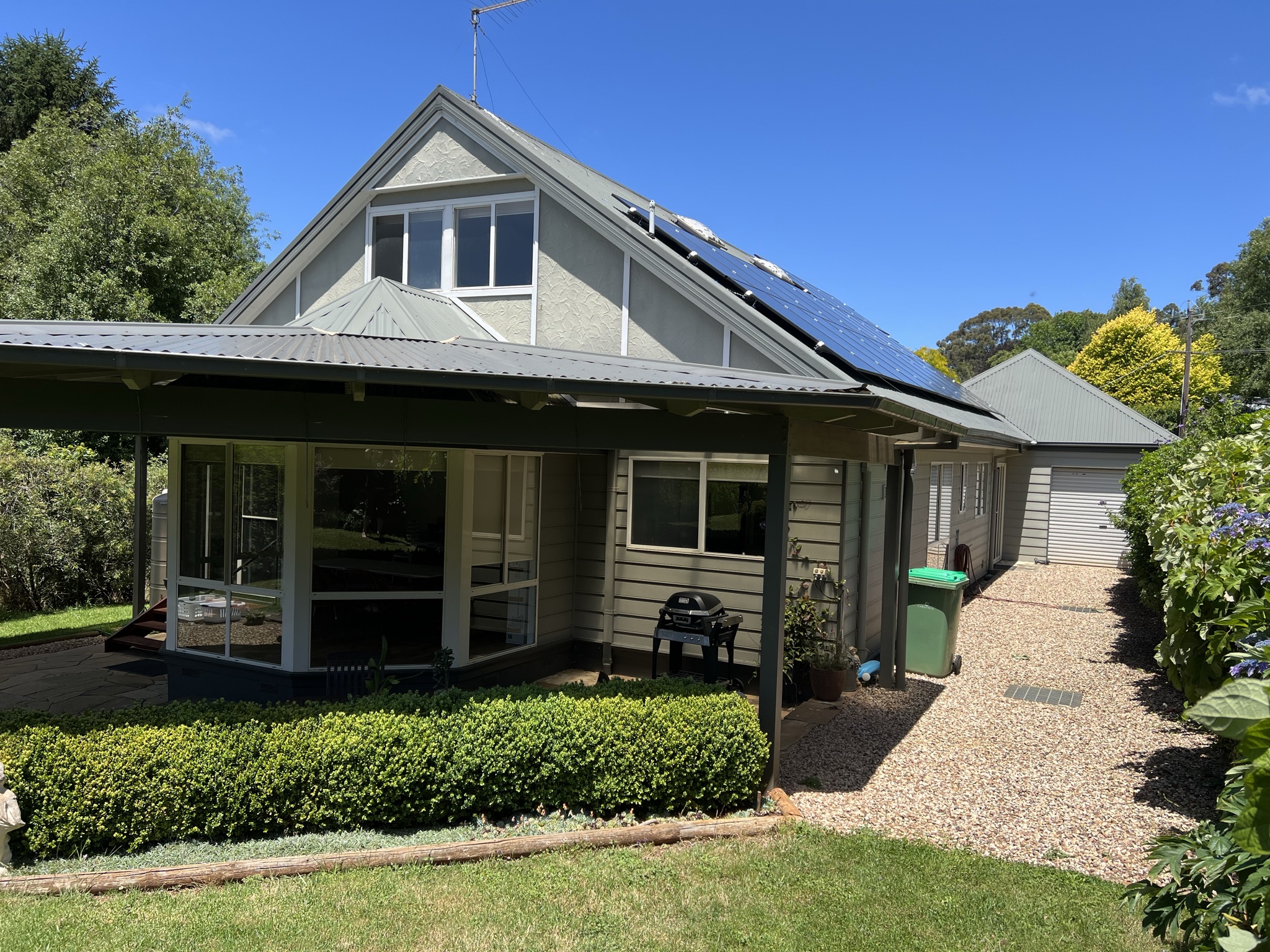
11.88 kW = 27 x 440W Jinko Solar Tiger Neo solar panels
27 Enphase IQ8AC-72-M-INT micro inverters

We opted for this more expensive option because each panel has its own micro-inverter, which means that if one or two panels are shaded, only those are reduced in power, while the others produce their maximum power. We can also see the output of each panel so we can identify any issues, such as poor performance or if one gets covered with lichen.

I wanted to put as many panels as we could on the north-west facing roof, and was originally quoted for 34 panels (almost 15kW). But AusNet (our region’s distributor) limited it to about 11kW, so we had to downsize the project. This was disappointing and I wish it had come up earlier in the proposal process. My intention was to oversize, so that on cloudy days and in short winter daylight, the reduced production would still be enough for all our needs. We’ll see how it goes.

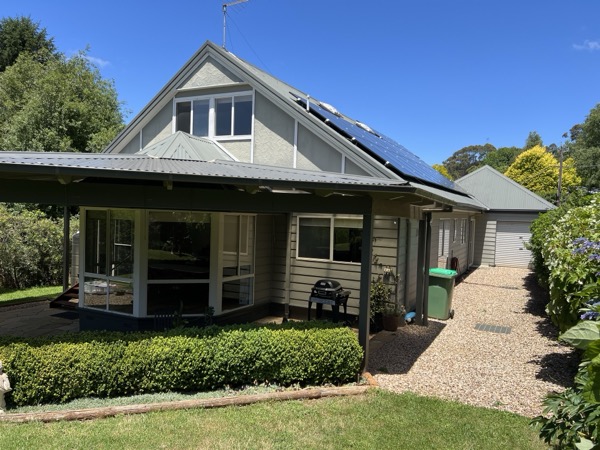
I’ve moved the old 2.5kW solar system and inverter to the shed, for a possible future project.

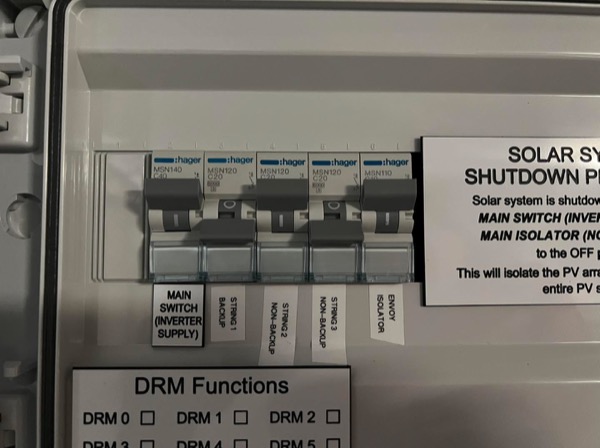
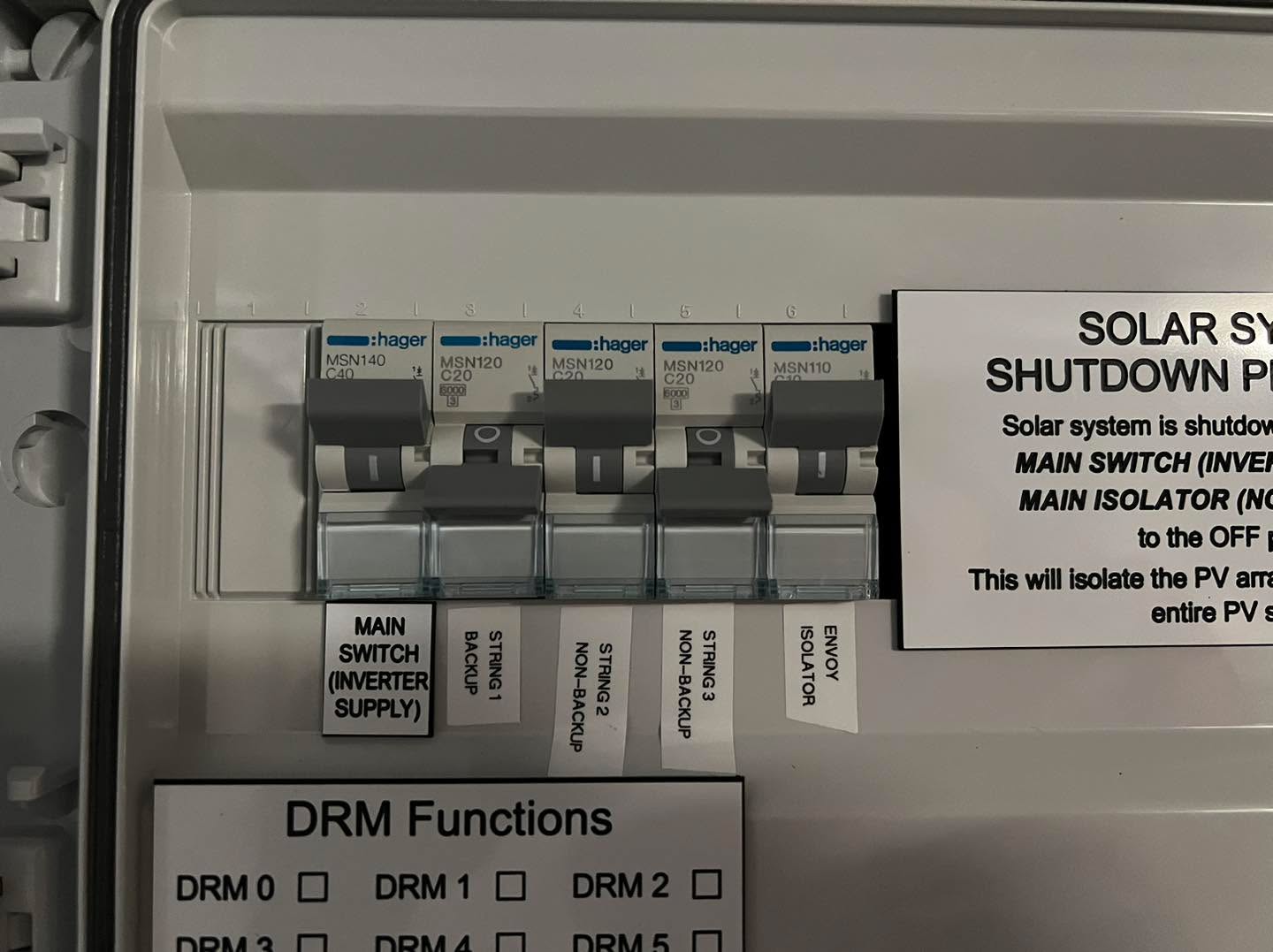
After the installation was finished, they had to turn off the system, to wait for an inspector to come out to check it out and turn it on. This could take several more weeks 😢. All that sunshine power going to waste in the mean time.

9 comments

  1. If you had gone with a string inverter, rather than micros, you could have still oversized and complied with Ausnet. You could have used solar edge for shading issues
    1

    Reply

    1. Thanks. Yes, the micro-inverters weren't a requirement for oversizing, but for the independent power production of each panel. My understanding is that a string inverter setup will cap all of the panels at the power output of the weakest link/panel 🤔.
      1

      Reply

      1. Tesla Tripping generally yes, but solar edge is a string inverter with optimisers, that means shading doesn't cause capping of the other panels
        1

        Reply

      2. Stephen Sizer we compared both 6yrs ago and the prices were very similar between Solaredge and Enphase at that time. Ended up going with Enphase in the end.
        2

        Reply

      3. Michael William Carter I would too in that circumstance, but if I wanted to oversize the array and had AC constraints, I'd go for solaredge
        2

        Reply

      4. Stephen Sizer fair enough. Ours is still oversized a bit as ours consists of 300W panels with 270W inverters then also some 415W panels with 350W inverters. So not the Max 30% oversizing you can get too I guess. I think we could have just changed the panels though and paid more for higher output panels. But you are limited by the standard sizes of panels and matching them to the inverter sizes I believe.
        2

        Reply

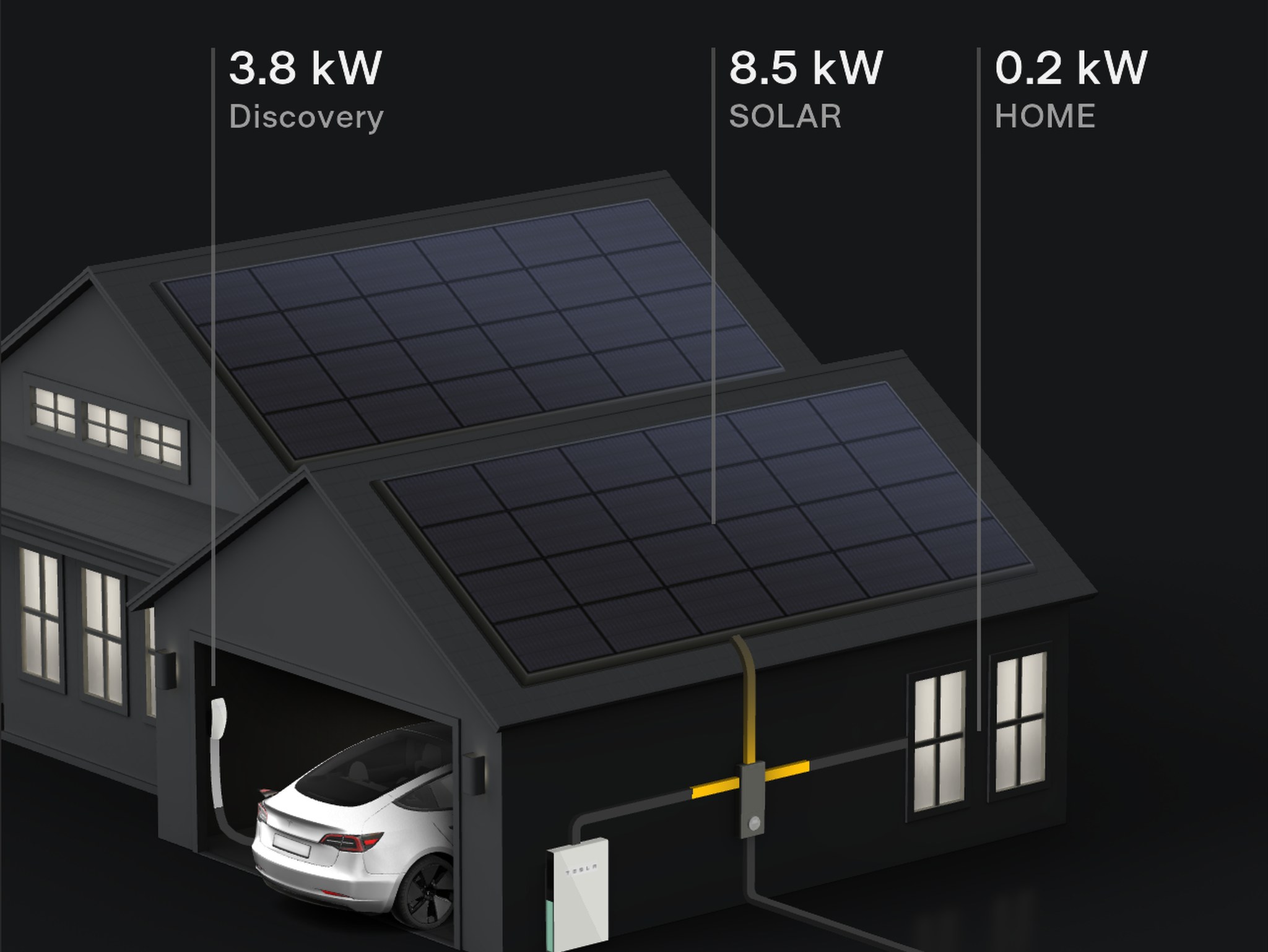
  2. Nice one Tesla Tripping. The joy of powering your car from Sunshine is priceless. We also have an Enphase system, just doubled our 5kW last year with the same panels as you got. So we have 9.9kW overall. It's enough to charge the car at 7.6kW and power the house with air-conditioning during most summer days, just not the really hot ones >40C, then we have to drop the charge rate down to 4 - 5kW for those conditions. In winter it's a bit more of a struggle to charge only from excess solar unless home during the day more. In saying all that, in the last 12 months we were able to charge about 77% from excess solar alone. Usually 1 or 2 days a week (we only have a 2 day window when home, so could be more if we were home during the day a lot more). And of all our charging 76% is done at home. Enjoy!!!
    11

    Reply

  3. A bit more complex but your installer could have put 7.6kW AC on the battery backup with some extra aux wiring.
    2

    Reply

  4. Good to see half of the guys are wearing harnesses.
    1

    Reply

Leave a comment