
Did going all-electric cause our mould?

Show 0 more photos Show 4 more photos Hide additional photos
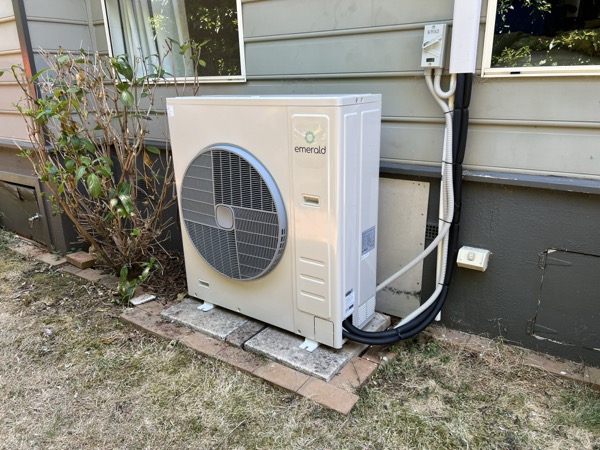
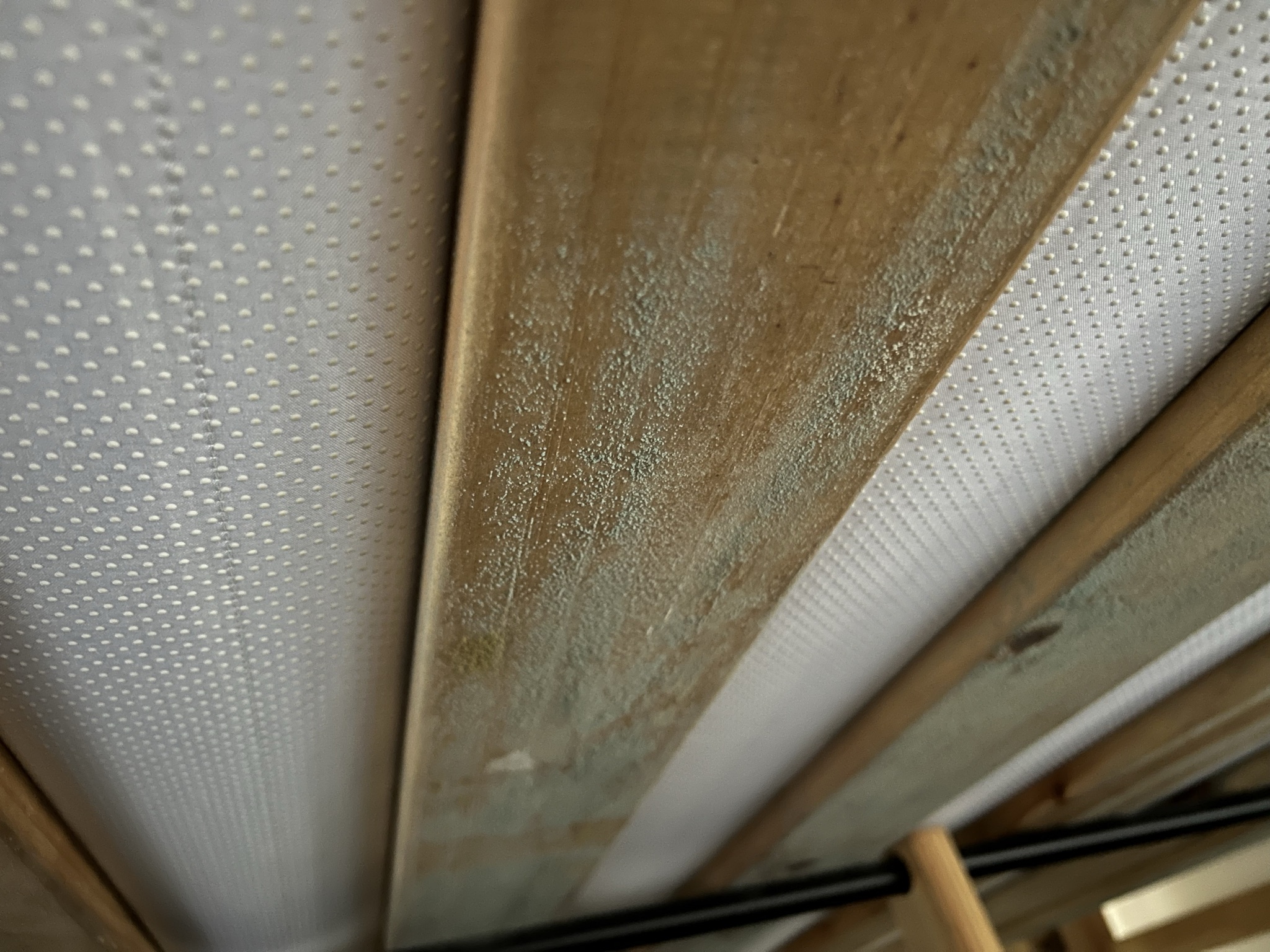

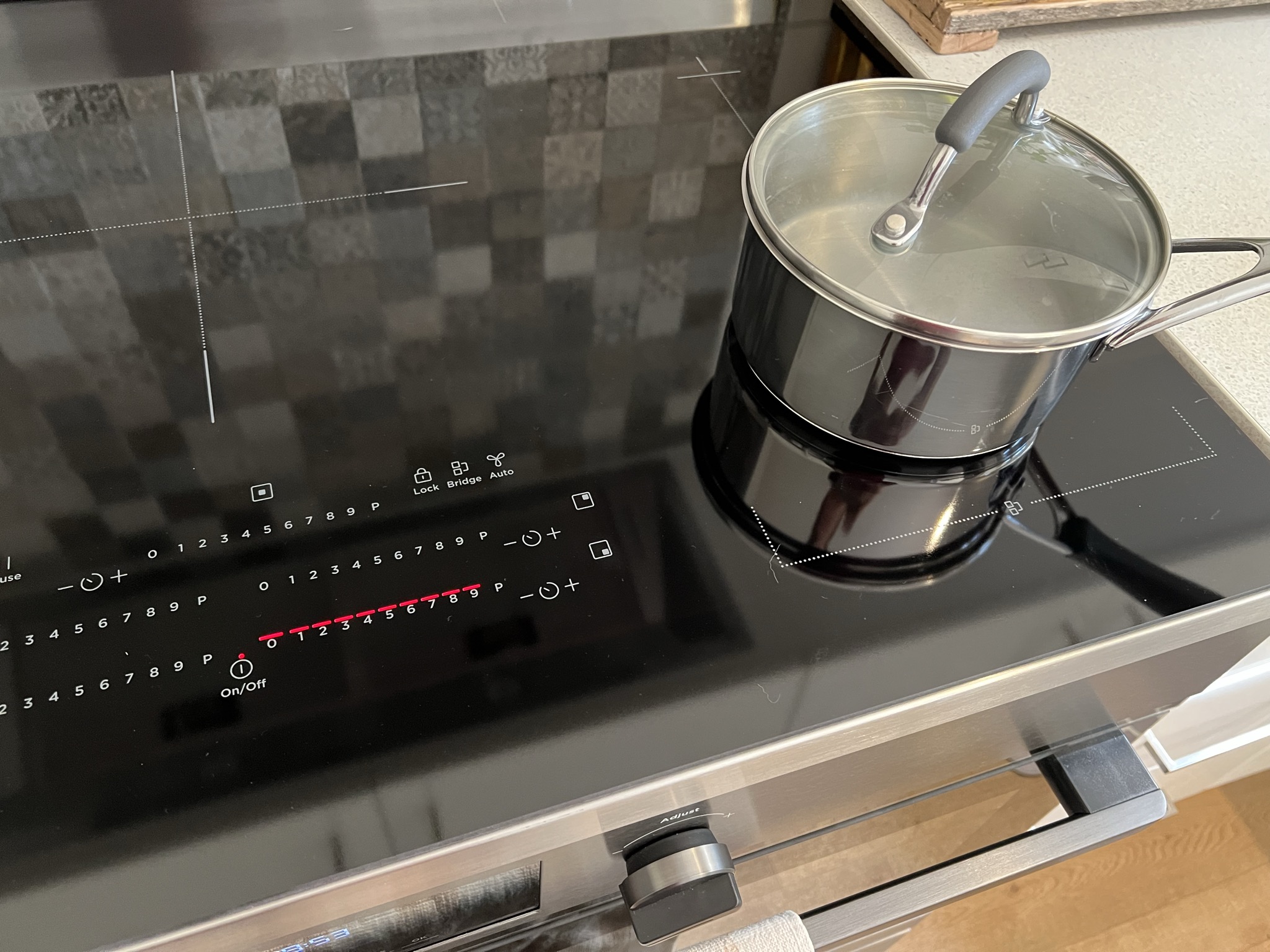
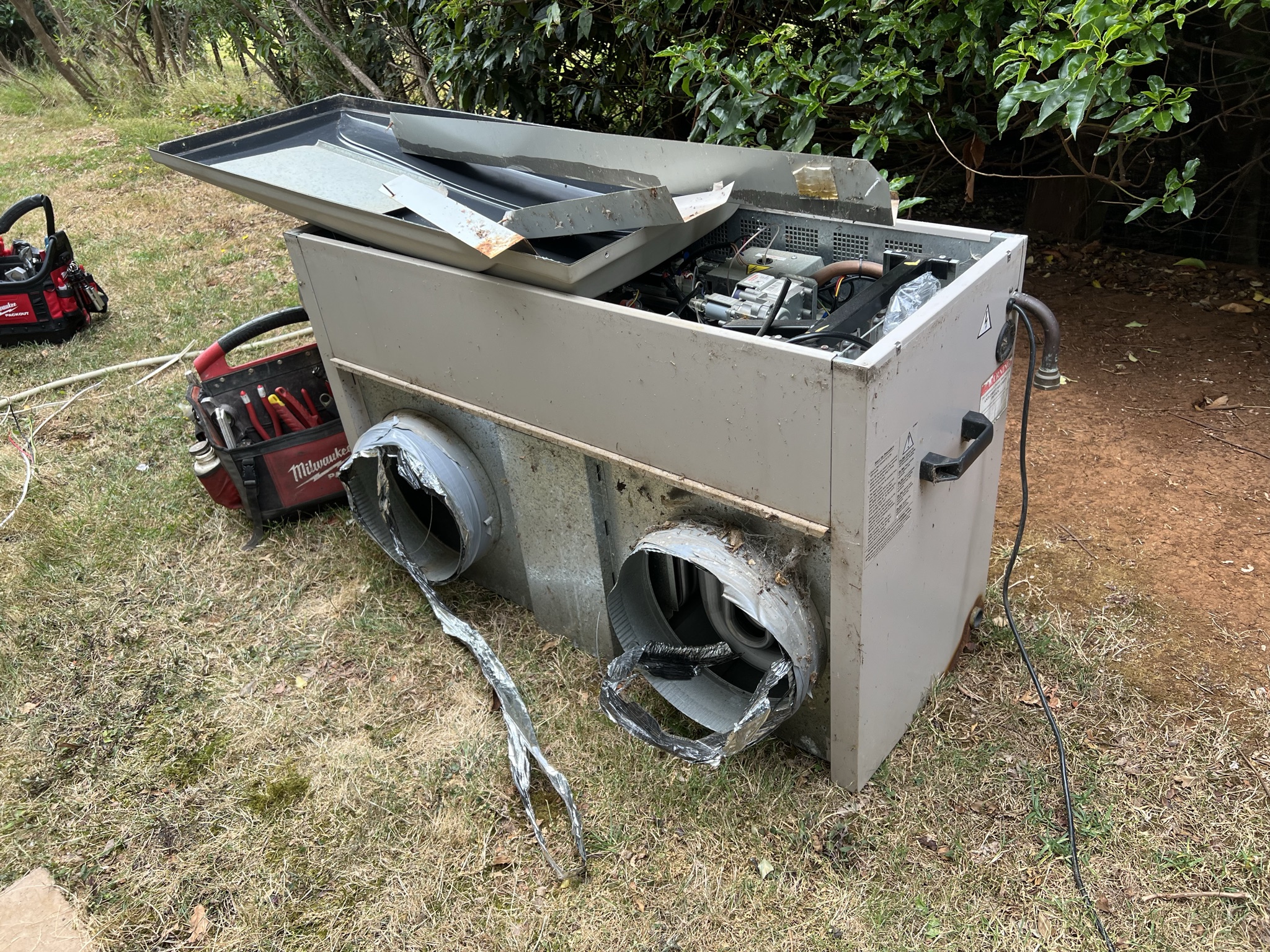
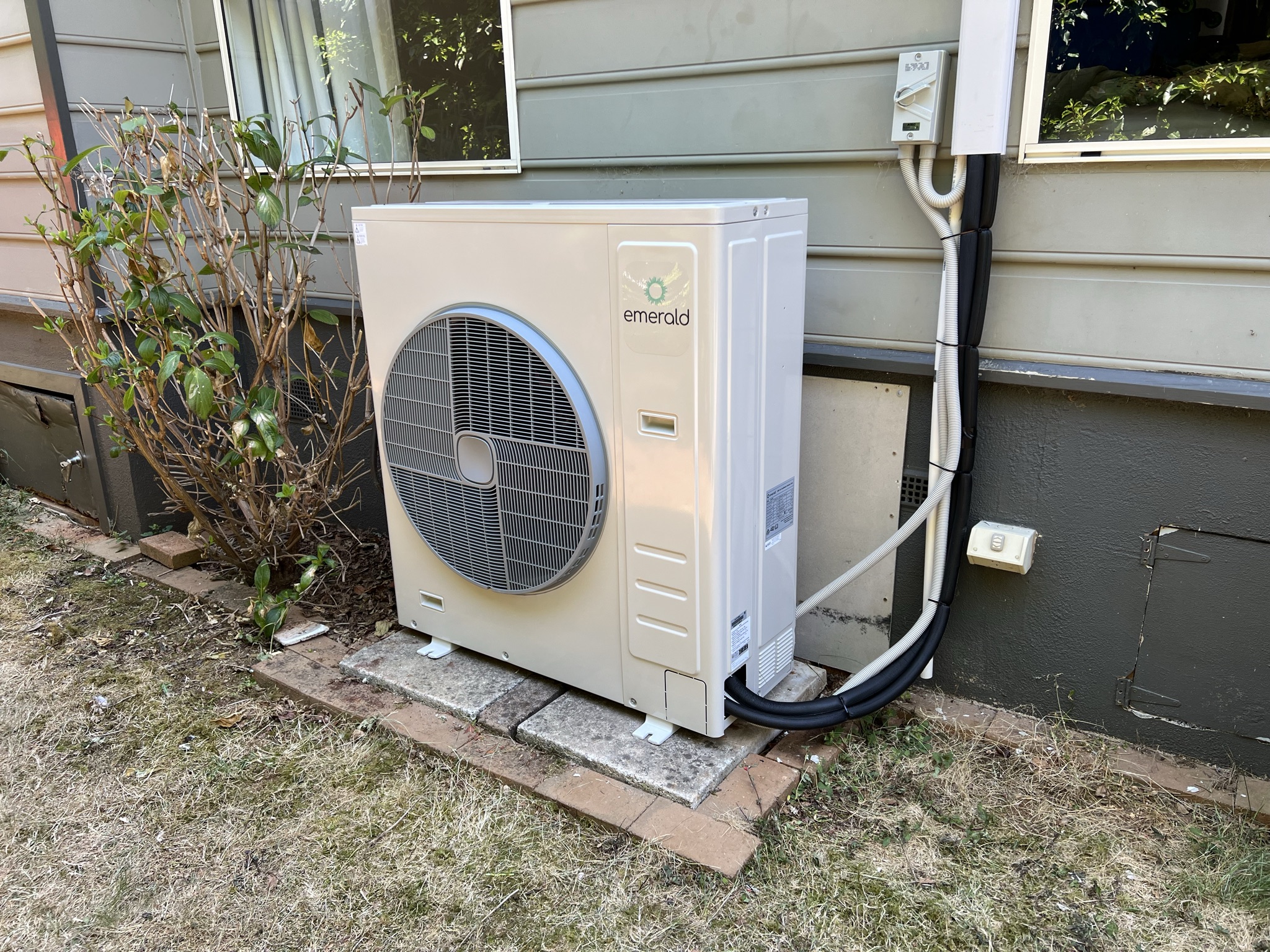
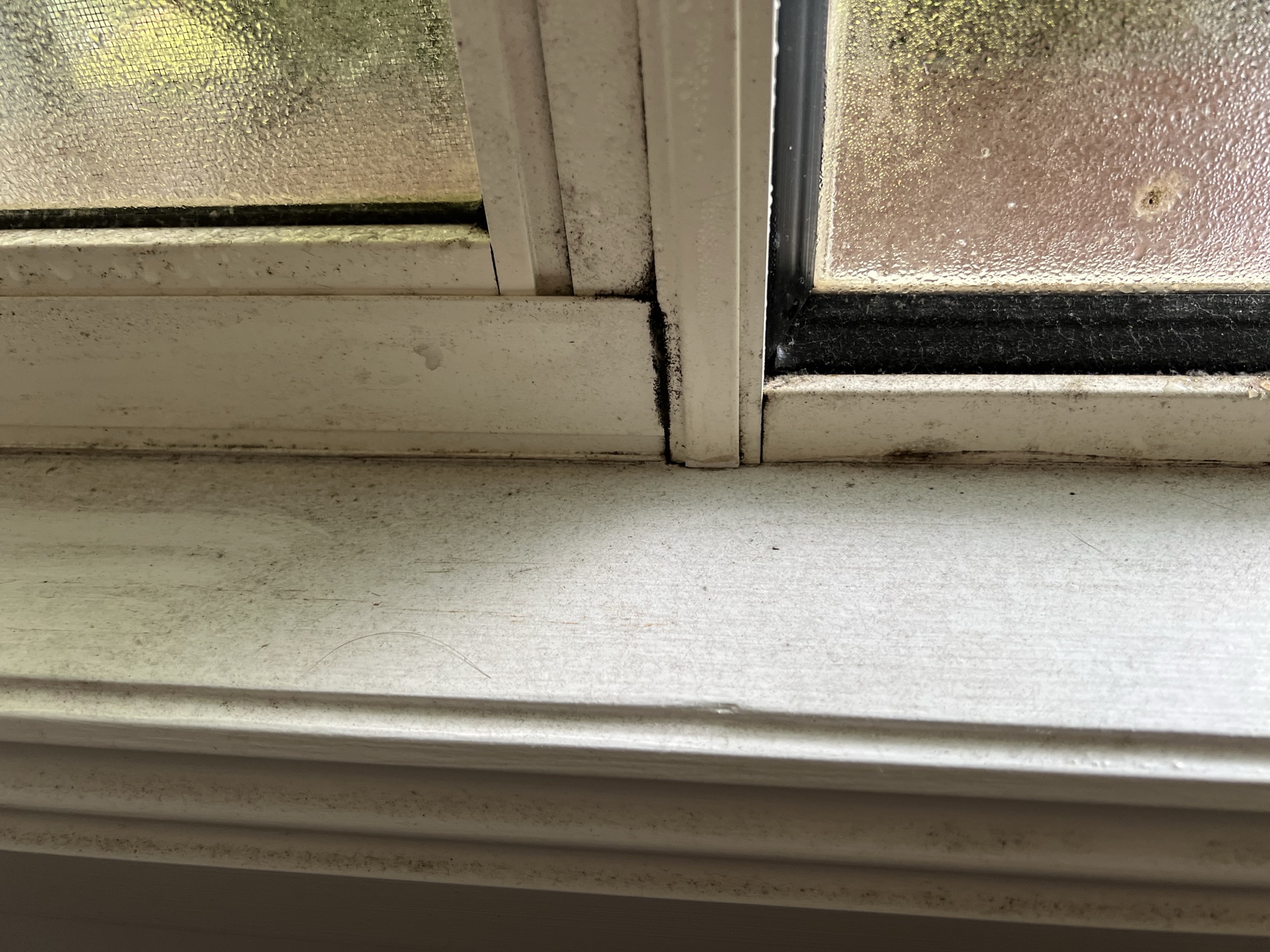
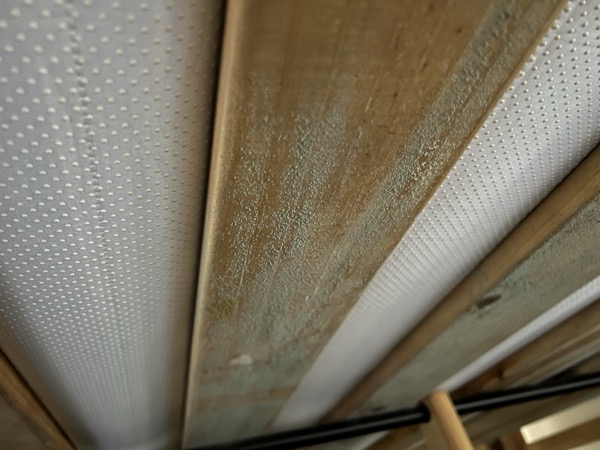
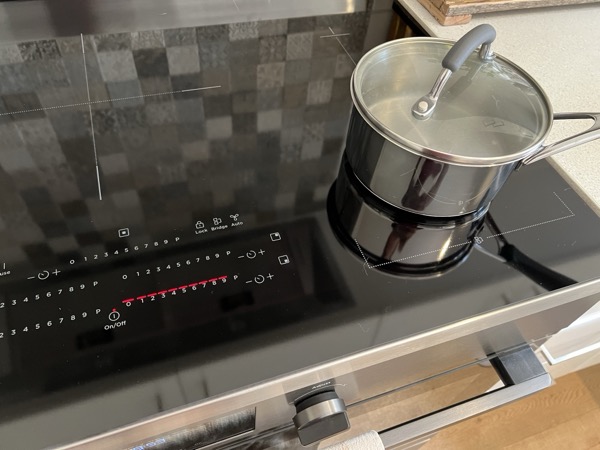
We spent 2025 and 2026 getting off gas — heat pump hot water, a multi-head air conditioner replacing the ducted gas heater, and finally an induction cooker. Then we found mould on the bed slats. Was it due to electrification?
We first found this same mould, on these same slats, in December 2024 — fourteen months before the air conditioners went in, while the gas ducted heater was still doing all the heating. Whatever causes it was here first, and it was here while the gas was.
Gas cooking turns out to actually make it worse. Burning gas makes water: roughly 1.6 kilograms of water vapour for every cubic metre burnt. That is on top of the water coming out of the food or boiling water, which happens whatever you cook on. Going induction removed the extra moisture. Not to mention the benzene, which is a known carcinogen.
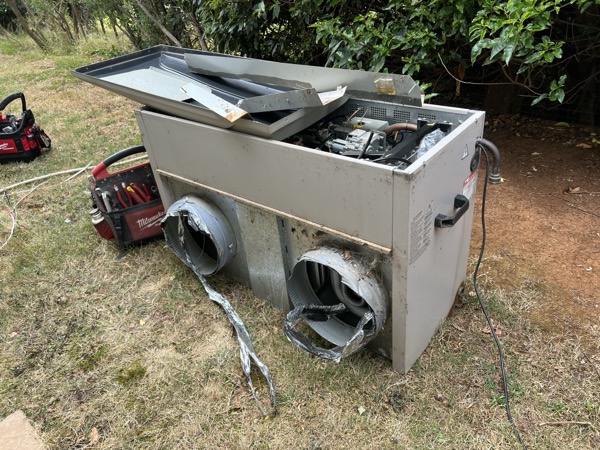
What did change is the ventilation. The old ducted system leaked, and those leaks quietly brought in outside air. Reverse-cycle doesn't leak. Better heating, staler air.
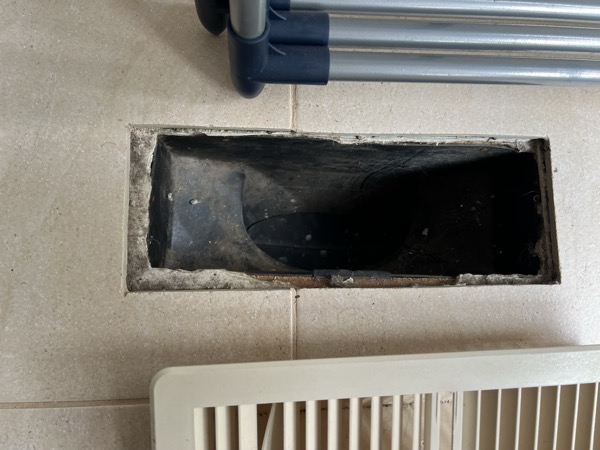
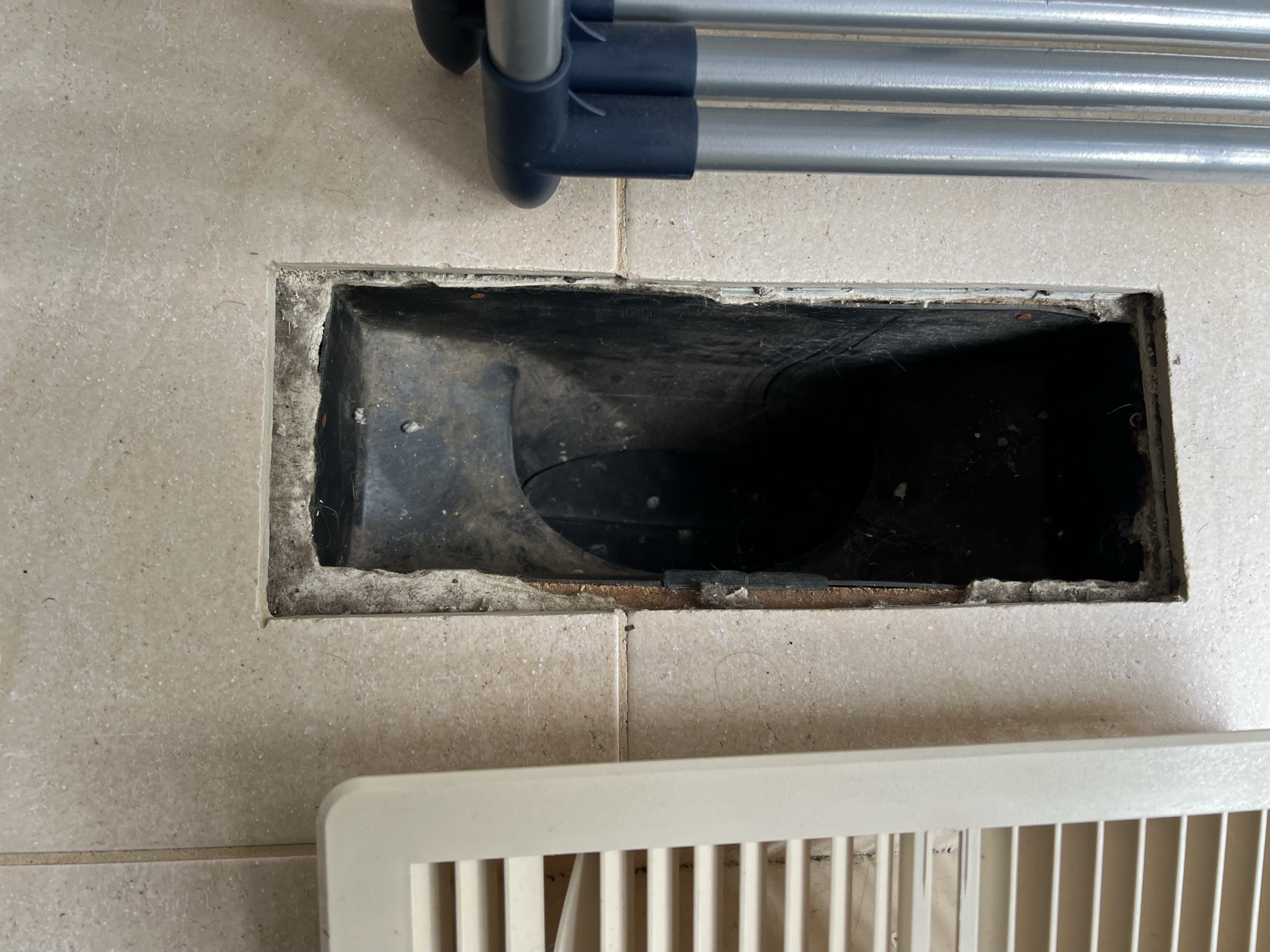
The gas heater also left something behind. There is still a floor vent in nearly every room, connected to the dead ductwork and open to the damp air under the house. We have closed them as best possible, and ordered some covers.
Verdict: the mould is from moisture and poor ventilation, not from electrification.
Coming up
The sensors that had been recording all this in every room, for months.
Buying two dehumidifiers, and what desiccant actually means.
Machine versus open window: which one earns its electricity.
Related Posts
- Previous — flushing the wet air back out: Flushing wet air out of the house 4 Aug 2026
- Earlier — why sealed heating leaves the moisture in: Our heating doesn't breathe 3 Aug 2026
- Also in this series — what the wet windows were telling us: Wet windows: the free dehumidifier 7 Aug 2026
- When the ducted gas heating came out: Goodbye gas — disconnecting the ducted heating 4 Feb 2026
- And what went in to replace it: Multi-head air conditioning installation, stage 1 4 Feb 2026
- And the day the gas was disconnected for good: Off the gas for good 30 Jul 2026
Links
- The Australian Government on where indoor moisture comes from, gas cooktops included: YourHome — Condensation
- The Stanford study that measured benzene coming off gas and propane burners: Cooking on gas stoves emits benzene
We have three of them, including one in our caravan - only use about 30w each and remove lots of water.
Forget the ones that use crystals. They remove maybe 5% as much as the electric ones.
Report
Report
So you reckon boiling water on a an electric stove doesn’t create steam? Come on mate, hand off the snake.
Report
Report
Report
Report
Report
Report
Got a toxic battery? Where will you bury that? If it catches fire, can you extinguish it? Stop with the crap, the truth is that the real answer is nuclear power. Don’t bung on about renewables. You lot cry about coal burning but do nothing about the Govt selling to overseas. The only ones that suffer are Australians who will soon be living third world like.
Gas is a non toxic fuel that is super reliable. One gas outage in 30 years. Can’t say that about your solar or wind farms can you.
People are tired of you tree huggers and your fairytales. Get lost.
Report
In case you are actually interested in the answers, here are some brief ones:
Solar panels and batteries can be recycled. But we can't recycle diesel, petrol or coal. We just burn it, over and over.
Solar just keeps coming for free. We don't have to ship it, truck it, or get it through some strait on the other side of the world.
If you sit in a closed room or garage with gas or burning petrol, you will die. If you sit in a closed room with a battery or solar, you won't die. That's how we know which one is toxic.
A battery will typically last decades before being recycled, including repurposing.
Statistically, an EV battery is 20 to 60 times less likely to "catch on fire" than the petrol in a car. You can google it.
You are right about gas being reliable compared to solar and wind, in the sense that on a windless night, the gas will generally still flow. But that's why we have batteries and hydro. Batteries in the grid are now much cheaper and taking more of the load than gas. Because gas is expensive and toxic and volatile etc.
Report
Report
Report
Report
Report
Report
Report
Report
Report
Get used to it. FFS
Report
Report